Low-Waste Details for Decorating Flowers
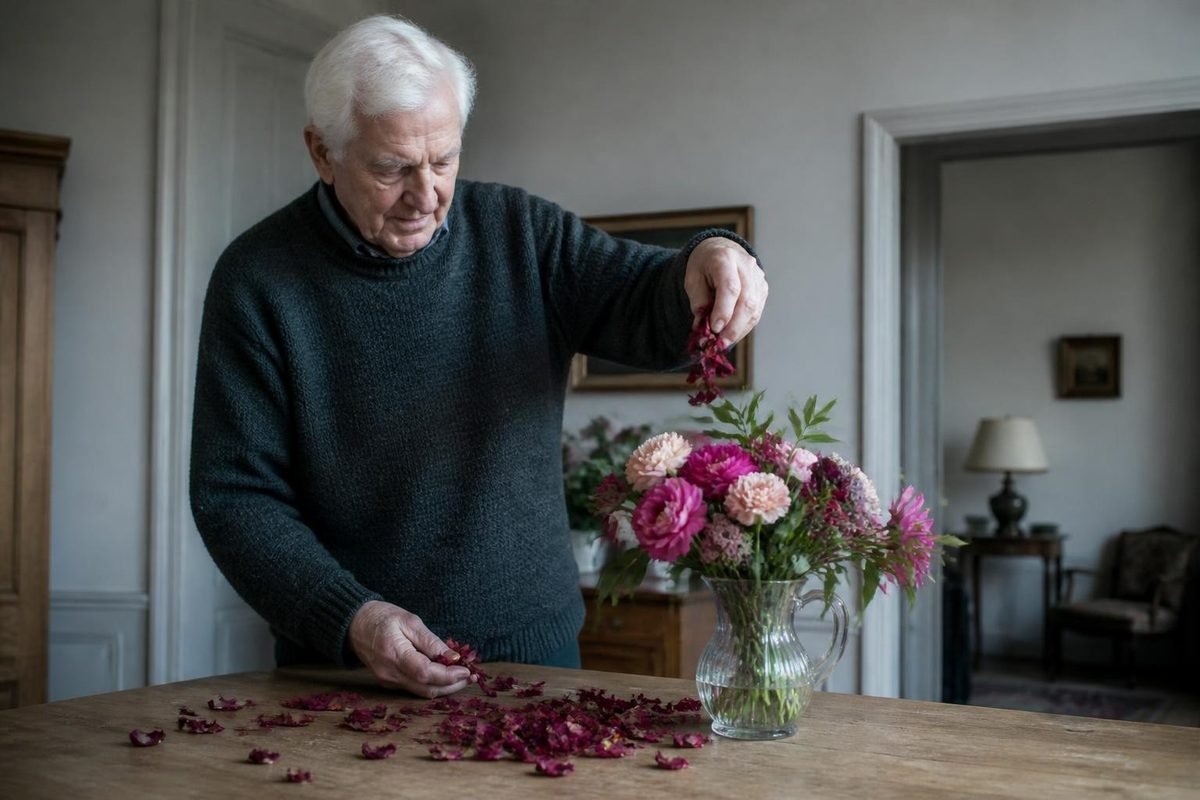
Dried petals, foliage, herbs and reusable fabric ribbon can add color and detail to floral decorations without releasing tiny plastic particles. Their environmental impact still depends on where they come from and how you use them, so choose thoughtfully and plan how to clean up afterward.
Add color with petals and foliage
Dried petals create a gentle, scattered effect around a table arrangement. For instance, dry rose petals and lay them near a vase or slip them between larger blooms. Leave the petals whole or in fairly large pieces instead of grinding them into dust; bigger pieces are easier to collect once the display comes down.
Leaves bring a quieter kind of decoration. Set a few small ones around the foot of a centerpiece to add depth without drawing attention away from the flowers. If your garden has suitable foliage, using a little of what is already there avoids needing extra materials. Take only as much as the arrangement needs.
Keep in mind that fresh petals and leaves alter as they dry. They may curl, grow darker or turn brittle. Rather than treating those changes as damage, you can let the gradual shift become part of the display.
Make contrast with natural textures
Glitter catches the eye through shine, but differences in texture can make an arrangement interesting without sparkle. Pair smooth petals with feathery foliage, seed heads or a small number of dried herb stems. Their contrasting shapes are easier to notice in a simple display, especially when the stems have space around them.
You can use these ideas separately or combine them:
- Arrange dried petals around the vase, and keep them away from food.
- Slip a few herb sprigs between the flowers to add shape and scent.
- Tie reusable fabric ribbon around the vase or around the bouquet stems.
- Lay collected leaves under a centerpiece to form a loose border.
At a dining table, use scented herbs in small amounts. Their fragrance may compete with the smell of food, and some guests may be sensitive to strong scents.
Check what alternatives contain
Not every product sold as biodegradable glitter is made from the same materials or breaks down in the same way. Read the information about its ingredients and the conditions needed for decomposition. A biodegradable label alone does not show that it will break down in a home compost pile or in water.
How a decoration is attached also matters. Glue on flowers can make it difficult to separate materials for reuse or composting later. Placing petals around the arrangement instead of sticking them onto it makes the display simpler to take apart and clean up.
Make cleanup and reuse part of the plan
Once the flowers have served their purpose, remove ribbons, wire and any other nonplant items from the stems. Put clean ribbon aside for another bouquet or for wrapping a gift. Before composting flowers and foliage, check whether your local compost service accepts them and follow its rules. Home composting guidance can differ as well.
Pick loose petals and leaves up from tables and floors rather than washing them into a drain, where they may help cause a blockage. If you do not know whether flowers or foliage have been treated with certain substances, consult local disposal guidance instead of assuming they are suitable for compost.
A handful of considered details can give flowers a finished look without scattering glitter. Often, the colors and forms already present in the arrangement are enough to make it feel special.
A good companion read: SEO lessons for flower shops